


Pest Control Brisbane: How Often Should You Really Get It?
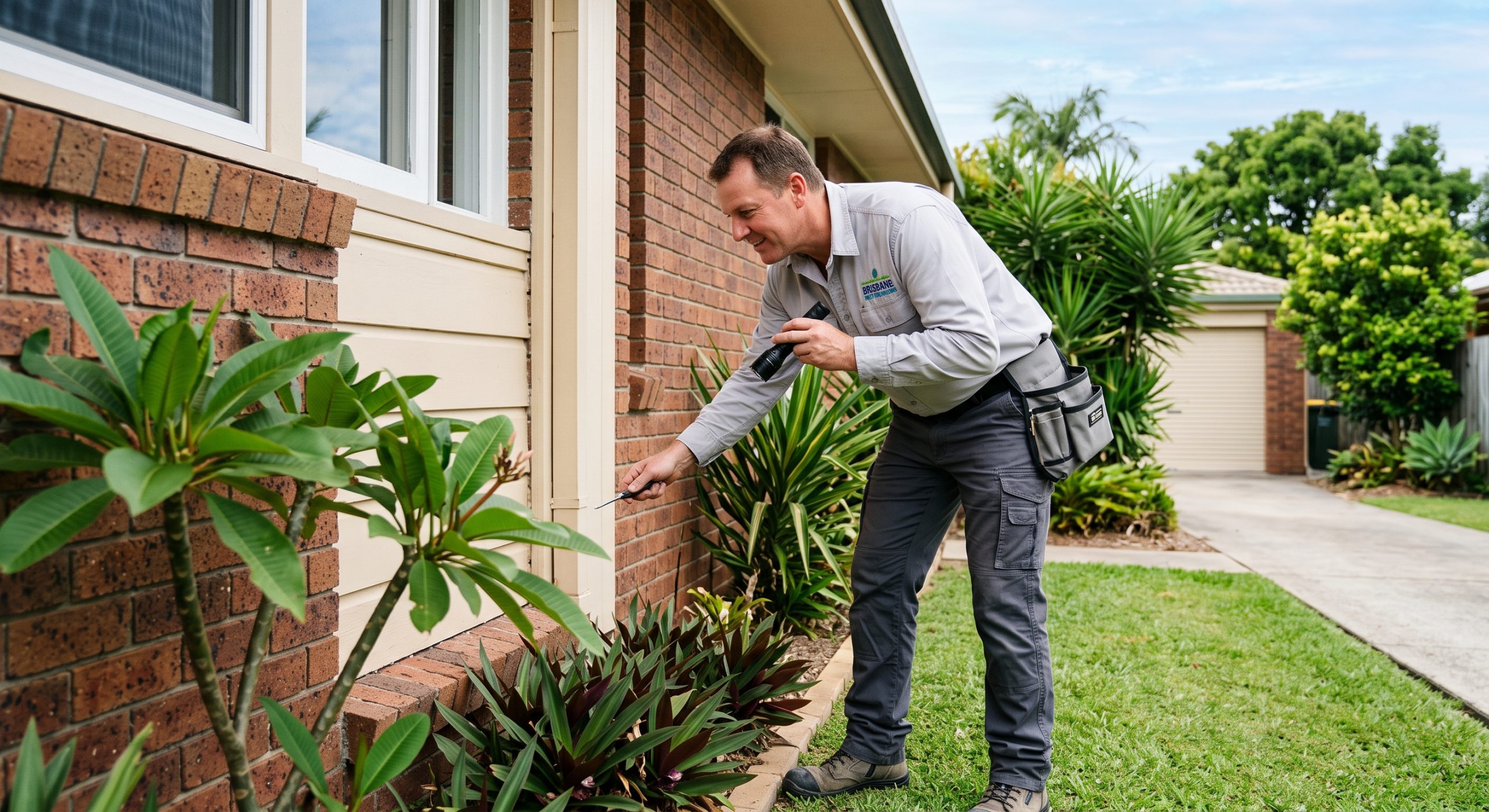
Pest control Brisbane homeowners actually need is a lot more frequent than most people assume and it has less to do with a fixed calendar date and more to do with climate, property type, and pest history. A once-a-year spray might be enough in some cities, but Brisbane's warm, humid conditions mean pests like cockroaches, spiders, ants, and termites rarely take a season off. Here's how to work out the right treatment schedule for your property, the signs you're overdue, and why waiting too long usually costs more than staying ahead of it.
In This Article
How Often You Actually Need Pest Control Brisbane Properties Require
There's no single answer that fits every home. How often you need treatment depends on a few things: the age and construction of your property, whether you're near bushland or water, your property type (house, unit, or Airbnb-style turnover), and whether you've had pest issues before. As a general rule, most Brisbane homes do well on a quarterly treatment cycle, with termite inspections handled separately on an annual basis.
Older Queenslander-style homes with timber stumps, subfloor access, and gaps around weatherboards in suburbs like Moorooka tend to need more frequent attention than newer slab-on-ground builds in master-planned communities like North Lakes. Units and townhouses in larger complexes can also pick up pest pressure from neighbouring properties, even if your own unit is spotless.
Good to know: Termite inspections are a separate schedule from general pest control. Queensland building standards recommend at least an annual termite inspection, more often in high-risk areas or older timber homes.
Why Brisbane's Climate Changes the Answer
Unlike cooler climates where pest activity drops off over winter, Brisbane rarely gets cold enough to slow most pests down for long. Cockroaches, ants, and spiders stay active through the cooler months, and summer humidity brings a sharp spike in activity for almost everything including mosquitoes and termites, which thrive in warm, moist conditions across both northern corridors like Aspley and leafy western pockets like Kenmore.
This is why a single annual treatment often isn't enough locally. A quarterly schedule lines up with the natural pest activity cycle, treating your property before each seasonal spike rather than reacting after pests are already established indoors.

Signs You're Overdue for a Treatment
- Seeing pests during the day, particularly cockroaches, which usually indicates a larger hidden population.
- New ant trails appearing indoors, especially around kitchens or bathrooms.
- An increase in spiders around eaves, window frames, or the garage.
- Droppings or gnaw marks suggesting rodent activity in the roof void or subfloor.
- It's been more than 3–4 months since your last treatment barrier was applied.
- You've just moved in and don't know the property's treatment history.
⚠️ Important: Treatment barriers break down over time from rain, cleaning, and general weathering. Even if you haven't seen pests, an expired barrier means your property has little to no active protection.
Not Sure How Often Your Property Needs Treatment?
Our licensed Brisbane technicians can assess your property type, location, and pest history to recommend a schedule that actually fits — not a generic one-size-fits-all plan.
Get a Free AssessmentQuarterly vs Bi-Annual vs Annual: What's Right for You
- Quarterly (every 3 months): Best for older homes, properties near bushland or water, high-turnover rentals and Airbnbs, or anywhere with a history of pest issues.
- Bi-annual (every 6 months): Suits newer, well-sealed homes with no significant pest history, as a middle-ground option between cost and coverage.
- Annual: Generally only sufficient for termite inspections on low-risk properties rarely enough on its own for general pest control in Brisbane's climate.
"We used to call someone out only when we saw a problem. Switching to a quarterly plan meant we stopped seeing problems altogether, it's a lot less stressful." — Brisbane homeowner, quarterly pest control plan
What Happens If You Wait Too Long
Pest problems rarely stay small. A handful of ants or a couple of cockroaches can turn into an established colony within weeks in Brisbane's climate, and by the time an infestation is obvious, treatment usually takes longer and costs more than it would have if caught early. Termites are the clearest example — early inspection can catch activity before it reaches structural timber, while a missed annual inspection can mean the difference between a minor treatment and a costly repair.
Staying on a consistent schedule isn't just about convenience — it keeps small issues from turning into expensive ones.
Frequently Asked Questions
Is quarterly pest control really necessary, or is that just upselling?
Do I need pest control and a termite inspection separately?
I haven't seen any pests — can I skip a treatment?
How much does regular pest control cost in Brisbane?
Servicing All Greater Brisbane Regions
Wondering if our mobile teams operate in your neighborhood? Explore our complete Brisbane pest control service areas to view local dispatch times across Northside, Southside, Bayside, Logan, and Ipswich.
Get Pest Control Brisbane Homes Can Rely On
Book a free assessment and we'll recommend a treatment schedule built around your property — not a generic plan. Fast, safe, and backed by a satisfaction guarantee.